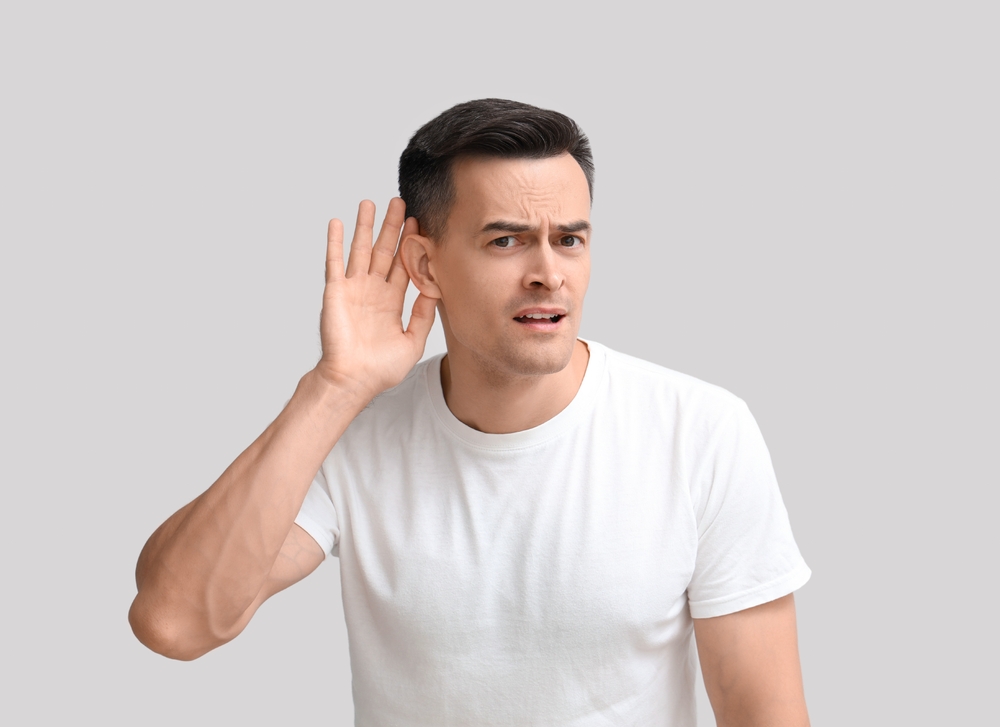
Is it common for you to feel physically and mentally spent after navigating a social environment?
You might initially blame your exhaustion on general tiredness or a busy lifestyle. While social gatherings are inherently demanding for people with sensory sensitivities, there may be another factor at play. However, in many clinical scenarios, the underlying driver is a neurological phenomenon known as auditory fatigue.
Auditory fatigue happens when your brain has to work harder to process sound. When hearing is not as clear as it should be, the brain often tries to fill in missing pieces of speech and interpret unclear sounds, which takes significant mental effort. Accumulated listening strain eventually manifests as the profound exhaustion associated with auditory fatigue.
Most individuals fail to distinguish between localized auditory fatigue and general fatigue. This type of burnout often points toward a functional decline in the auditory system. A professional diagnostic evaluation is necessary to confirm if hearing loss is the root cause of your exhaustion. Should these symptoms persist, it is vital to discuss the possibility of hearing loss with a healthcare professional.
What Causes Auditory Fatigue?
Multiple variables contribute to heightened cognitive demand during sound processing, elevating the risk of auditory fatigue.
Why Untreated Hearing Impairment Causes Fatigue
Failing to address hearing loss is a major factor in the development of persistent auditory fatigue.
When the ears cannot detect certain sounds clearly, the brain tries to compensate by filling in gaps. The mental labor required for constant speech reconstruction causes energy levels to plummet during social interaction.
The Challenge of Complex Soundscapes
Locations with poor acoustics often act as a tipping point for auditory fatigue. Settings like busy cafes or group discussions often present a low signal-to-noise ratio that obscures speech.
The presence of competing sounds forces the brain’s “noise-cancellation” filters to work at maximum capacity. This intensive filtering often leads to cognitive overload, even in patients with “hidden” or sub-clinical hearing loss.
Tinnitus and Sound Distortion
Chronic tinnitus compounds listening effort as the brain struggles to ignore internal noise while focusing on external speech.
When hearing loss causes sound to arrive garbled, the brain must work with higher intensity to extract meaning.
Common Signs of Auditory Fatigue
The manifestations of auditory fatigue impact both cognitive performance and systemic energy reserves. Patients often present with the following indicators:
- Feeling mentally drained after conversations
- Difficulty concentrating during meetings or group discussions
- Onset of tension headaches following sustained auditory focus
- A sense of agitation triggered by difficult listening conditions
- Withdrawing from conversations or social events
- Needing a nap or quiet time after social interaction
If these symptoms occur frequently, it may indicate that your ears and brain are working harder than they should.
How the Brain Compensates for Hearing Impairment
Clear auditory input allows the brain to interpret sound with virtually no conscious effort. Conversely, hearing loss forces the brain to redirect energy from other executive functions to assist in sound decoding.
Audiologists and neurologists define this extra effort as a high cognitive load. The brain is forced to sacrifice higher-level thinking to manage the low-level task of hearing sound. Sustained energy redirection eventually results in a state of total mental insolvency. Even short conversations may require more concentration than they should.
Diagnosing the Source of Your Fatigue
When fatigue becomes a daily burden, a professional evaluation provides the necessary data for a solution. The evaluation process includes mapping your hearing range and measuring your speech discrimination accuracy. They may also evaluate how well you understand speech in background noise, which can reveal challenges that may not appear in quiet settings.
The results of a hearing test provide the roadmap for addressing both the impairment and the resulting burnout. By catching these changes in their infancy, you can implement solutions before they damage your social and professional life.
How Modern Technology Lowers Cognitive Load
The right hearing treatment acts as a “pressure release valve” for the brain’s processing centers.
Advanced hearing aids utilize AI to sharpen speech signals while simultaneously suppressing irrelevant environmental noise. By delivering a clean signal, these devices eliminate the need for the brain to expend energy on reconstruction.
With restored hearing clarity, you will likely see a boost in:
- Sustained cognitive stamina during the workday
- Increased attention span during long discussions
- A return to enjoying busy restaurants and gatherings
Lowering the cognitive cost of communication allows social life to feel effortless once more.
Recognizing the Right Moment for a Hearing Test
You should prioritize an audiological consultation if the following conditions apply:
- You feel exhausted after conversations
- Friends or family members mention that you often ask them to repeat what they’ve said
- You struggle to follow discussions in noisy environments
- You find yourself “hiding” in quiet rooms during parties or meetings
Resolving these issues today ensures a higher standard of living and better cognitive health for the future.
Frequently Asked Questions: Auditory Fatigue
Auditory Fatigue vs. Hearing Loss: What’s the Difference?
There is a difference: the fatigue is the neurological byproduct of the effort to hear. Most people experience auditory fatigue as a direct consequence of their hearing loss.
Do Hearing Aids Help with Exhaustion?
By performing the filtering for you, hearing aids dramatically reduce daily mental exhaustion.
Can I Recover from Auditory Fatigue?
In many cases, auditory fatigue improves when the underlying cause (like untreated hearing loss) is addressed with proper evaluation and treatment.
End Your Struggle with Auditory Fatigue Today
You shouldn’t feel exhausted after everyday conversations. Feeling “wiped” after a party is a signal that your brain is struggling to manage its cognitive load.
Begin your journey back to energy by booking a comprehensive hearing test now. The path to social confidence and mental clarity begins with accurate hearing data.
