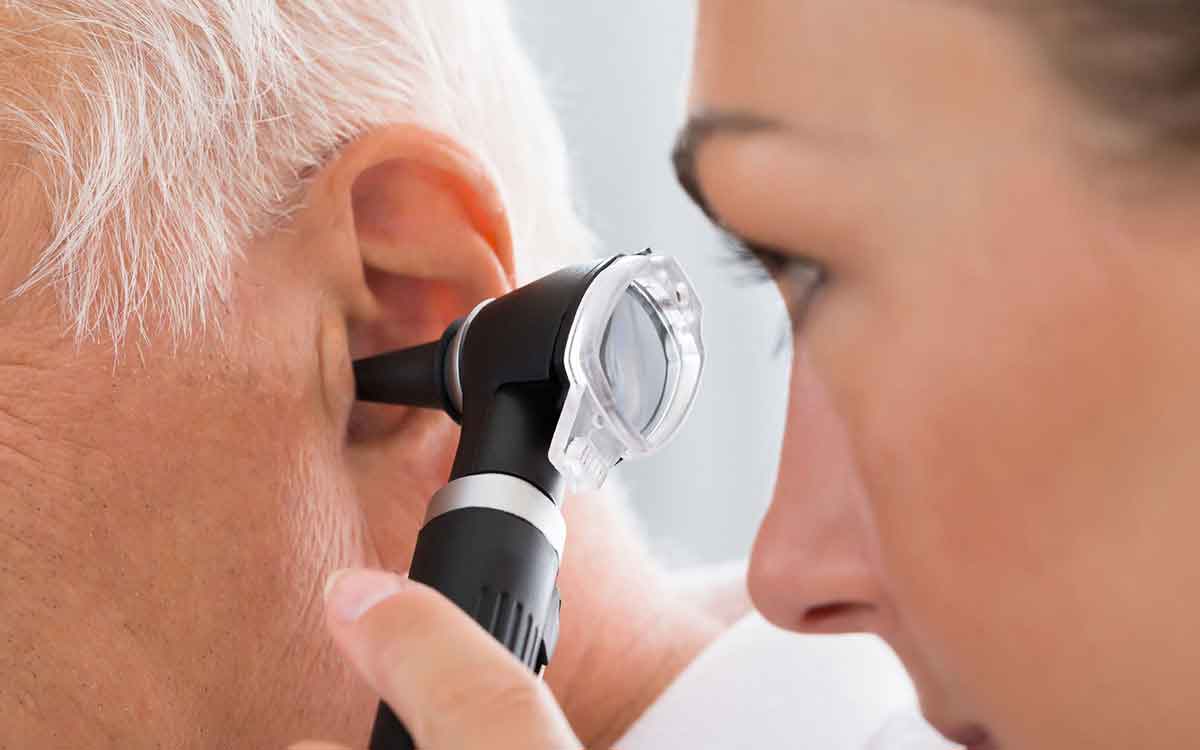
Auditory decline frequently advances as an incremental process, making it likely to be ignored during its early development. It is common for people to adjust to hearing shifts by elevating device volume and steering clear of gatherings with significant background noise.
But recognizing the initial symptoms of hearing loss is clinically vital.
Recognizing Typical Early-Stage Hearing Loss Symptoms
If you identify any of these indicators, we suggest arranging an audiological evaluation to establish a baseline.
- Difficulty understanding conversations, especially in loud areas with a lot of activity.
- Frequently requesting others to clarify their statements.
- Muffled or blurred vocalizations, where words sound blended together.
- Requiring increased decibel settings for electronic devices than is typical.
- Decreased perception of high-pitched stimuli like children’s speech or doorbells.
- The occurrence of tinnitus, characterized by ringing or buzzing in the ears.
- Feeling cognitively fatigued after social interactions, due to the strain of auditory processing.
- Withdrawing from social events because dialogue has become stressful.
These early signs of hearing loss can affect one or both ears and can be intermittent at first. Because the brain adapts quickly, many people don’t realize the extent of their subconscious adjustments until hearing loss becomes more noticeable.
Auditory Health: Current Statistics and Projections
The World Health Organization reports that the need for hearing support will affect 700 million people by 2050. Other noteworthy statistics include:
- By 2050, approximately 2.5 billion people are projected to have some degree of hearing loss.
- Over 5% of the world’s population (430 million people) necessitates support to address significant hearing loss.
- In excess of 1 billion young adults face the threat of irreversible hearing loss resulting from unsafe listening practices.
- Among those over the age of sixty, over 25% suffer from clinically significant hearing loss.
The Critical Importance of Early Identification
Untreated hearing loss may influence your overall health in ways that are often underestimated.
Studies have identified a link between untreated hearing loss and an increased likelihood of cognitive decline and mobility issues.
Identifying symptoms at an early stage promotes optimal results and diverse therapeutic choices.
A clinical screening clarifies if hearing shifts are caused by aging, earwax impaction, or other systemic issues.
Occasionally, auditory changes are not permanent and can be effectively addressed.
In addition, employing safety strategies or digital hearing aids early can slow the progression of hearing loss.
Indications for a Professional Hearing Evaluation
A professional screening is warranted under the following circumstances:
- Early signs persist for more than a few weeks.
- Difficulty hearing starts to impact work or personal routines.
- Instances of sudden decline, vertigo, or chronic tinnitus require prompt clinical attention.
Audiological evaluations are noninvasive procedures, yielding essential information regarding your ear health.
Contact our hearing clinic today if you think you would find value in a hearing screening.
Auditory Health FAQ: Initial Symptoms
Q: Are all auditory changes linked to getting older?
Answer: Not necessarily. Although presbycusis is prevalent, auditory shifts can stem from noise trauma, ototoxic drugs, or genetic factors.
Question: Is it possible to restore lost hearing?
Answer: Certain etiologies, such as earwax impaction or localized infection, are treatable. While other forms are irreversible, they can usually be managed with professional treatment or hearing technology.
Question: What is the recommended frequency for hearing screenings?
A: A baseline screening is advised by age 50, or sooner if clinical symptoms manifest.
