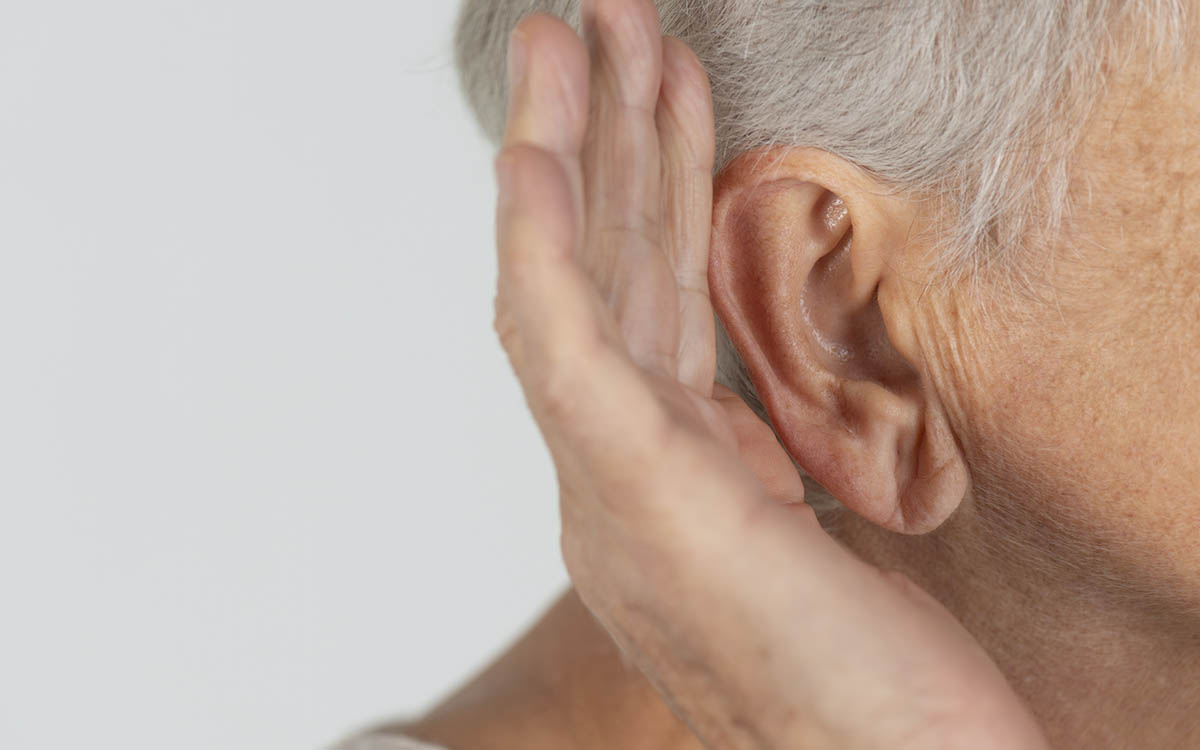
Public perception frequently ties hearing loss with getting older, however, for millions in the U.S., ear injury manifests significantly sooner. Noise-induced hearing loss represents a common, preventable auditory pathology, remaining undetected until the damage is irreversible.
Grasping the longitudinal impact of sound exposure on the auditory system facilitates proactive protection before significant hearing loss occurs.
Defining Noise-Induced Hearing Loss: A Pathophysiological Analysis
Noise-induced hearing loss occurs when loud sounds damage the delicate structures inside the inner ear. As reported by the CDC, sustained or frequent exposure to sounds exceeding 85 decibels, such as heavy traffic, can initiate auditory damage. Higher intensity sounds, including those generated by machinery, music venues, or firearms, may result in immediate damage.
The inner ear contains microscopic sensory receptors known as hair cells. These units are responsible for translating sound waves into the electrical signals required for auditory perception. Because hair cells cannot repair or replace themselves once damaged, hearing loss resulting from noise is generally a permanent physiological state.
Analyzing the Accumulation of Sound-Related Trauma
A primary clinical concern regarding noise-induced hearing loss is its typically slow rate of progression. Early exposure may cause symptoms like:
- Occasional instances of Tinnitus, characterized by ringing or buzzing sounds
- A feeling of muffled hearing after loud events
- Challenges involving speech comprehension within high-noise settings
Initial symptoms may subside, frequently resulting in the incorrect assumption that hearing function has returned to baseline. Actually, subsequent noise events continue to degrade internal ear structures, steadily eroding hearing precision.
The Hearing Loss Association of America reports that approximately 48 million Americans experience some degree of hearing loss, frequently with unidentified etiology.
Recognizing Everyday Sound Hazards to Ear Health
In our modern environment, individuals often develop a tolerance or desensitization to high-volume sounds. Consequently, the frequency of hazardous noise exposure is often underestimated.
Identified hazardous sources may include:
- Concert settings and loud musical performances
- The use of headphones at unsafe volume settings
- Motorized landscaping equipment, power machinery, and vehicles
- Professional exposure to high-volume noise in manufacturing and labor industries
The everyday occurrence of these sounds allows for progressive damage to develop without obvious warning.
The Clinical Necessity of Hearing Safeguards
A distinguishing factor of noise-induced hearing loss is the lack of clinical reversal options. The condition is, however, susceptible to effective preventative strategies. Adopting straightforward preventative behaviors can markedly decrease the likelihood of injury, including:
- The application of earplugs or attenuation earmuffs in loud areas
- Modulating audio output levels and observing 60/60 rule constraints
- Implementing quiet intervals to permit the auditory system to rest
- Ensuring consistent Audiology check-ups for those in high-noise environments
Clinical Indicators for Seeking Professional Care
Should you experience persistent Tinnitus or a decline in conversational understanding, a professional evaluation is indicated. Prompt clinical evaluation is vital for tracking auditory status and formulating effective hearing preservation plans.
Prioritizing auditory health now ensures the preservation of hearing clarity for the future. Environmental sound may be constant, but the development of hearing loss is not inevitable. Contact us to coordinate a comprehensive evaluation and ensure your auditory system is functioning at its peak.
